
About Us
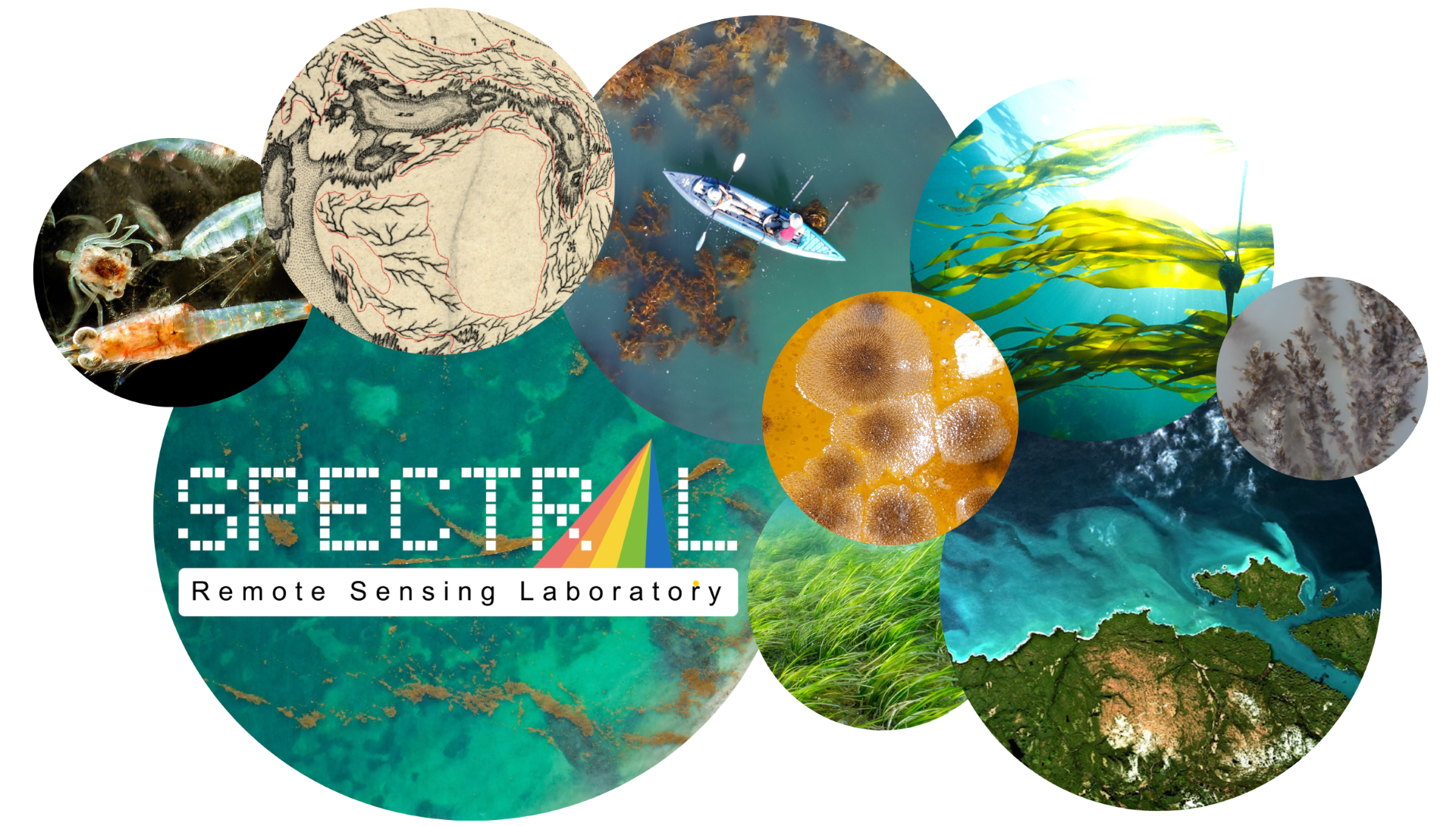
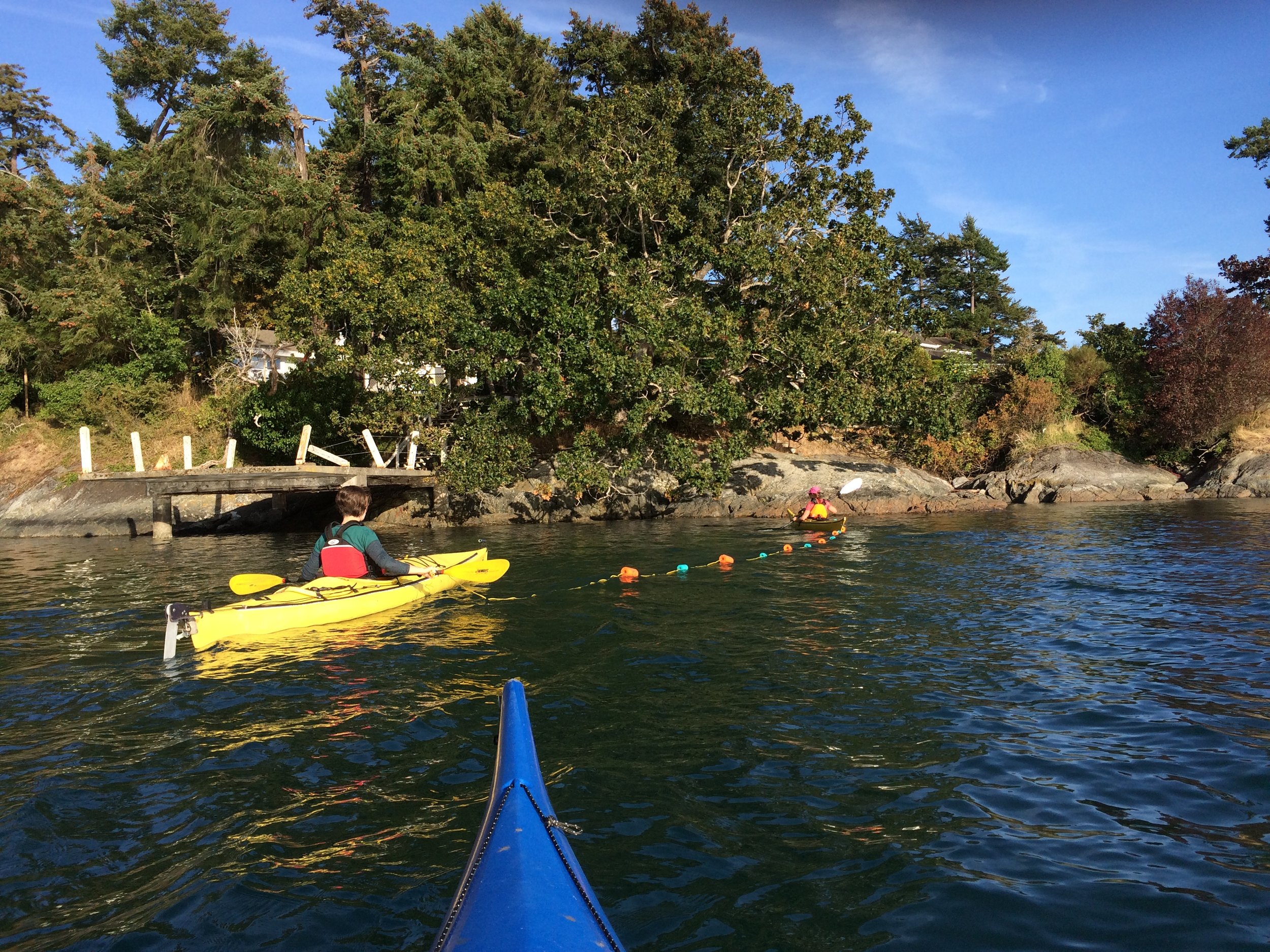
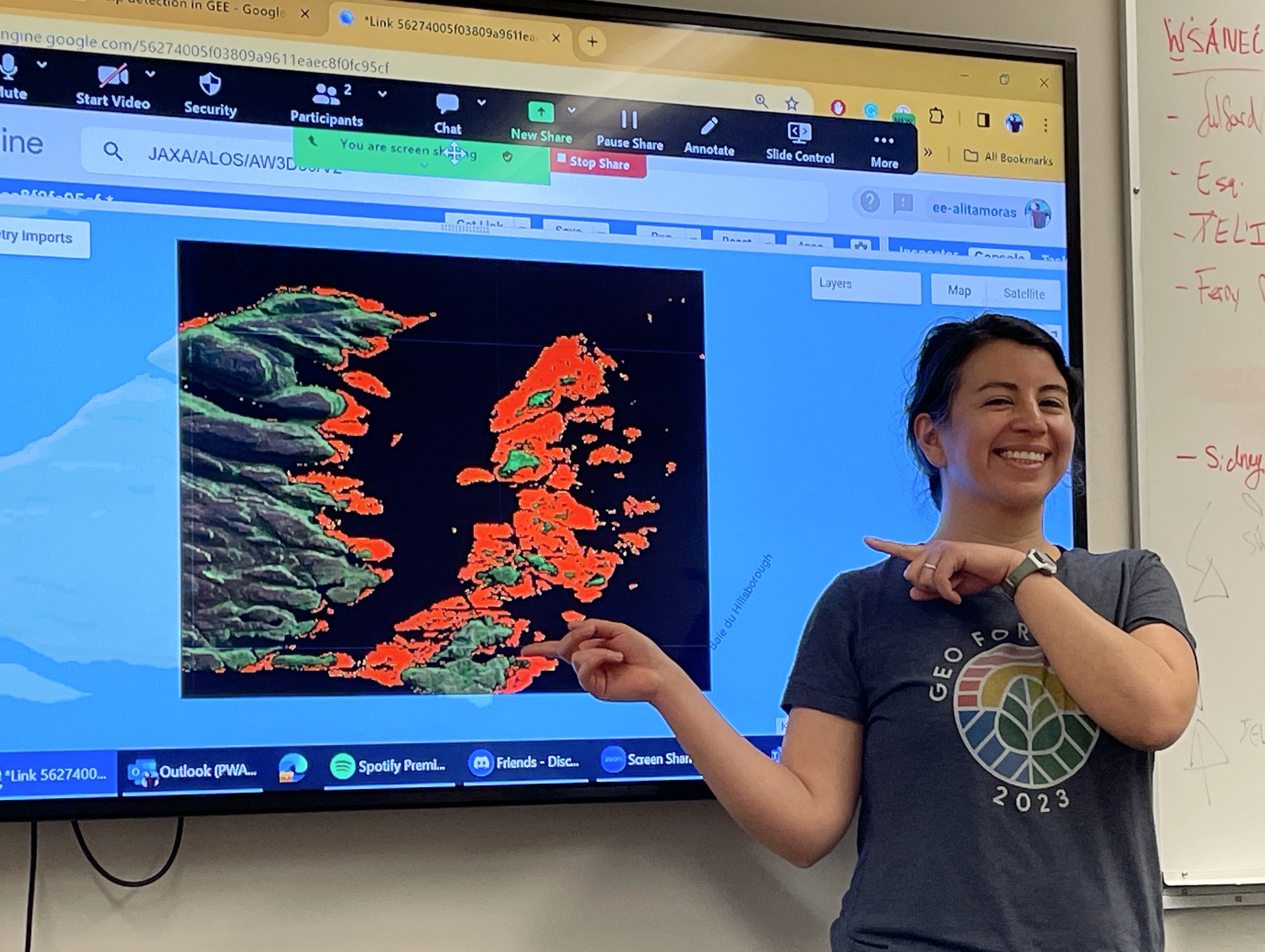
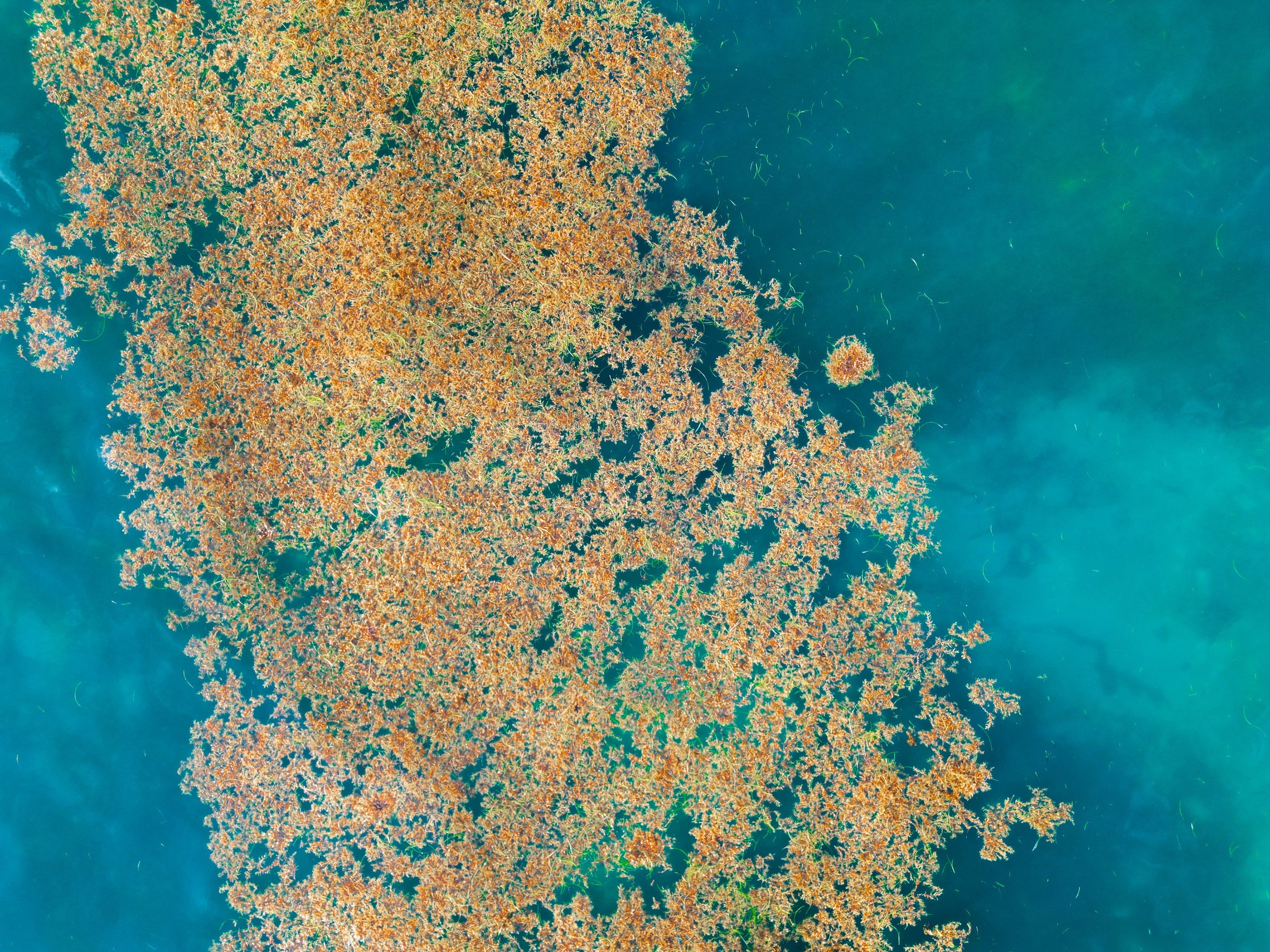
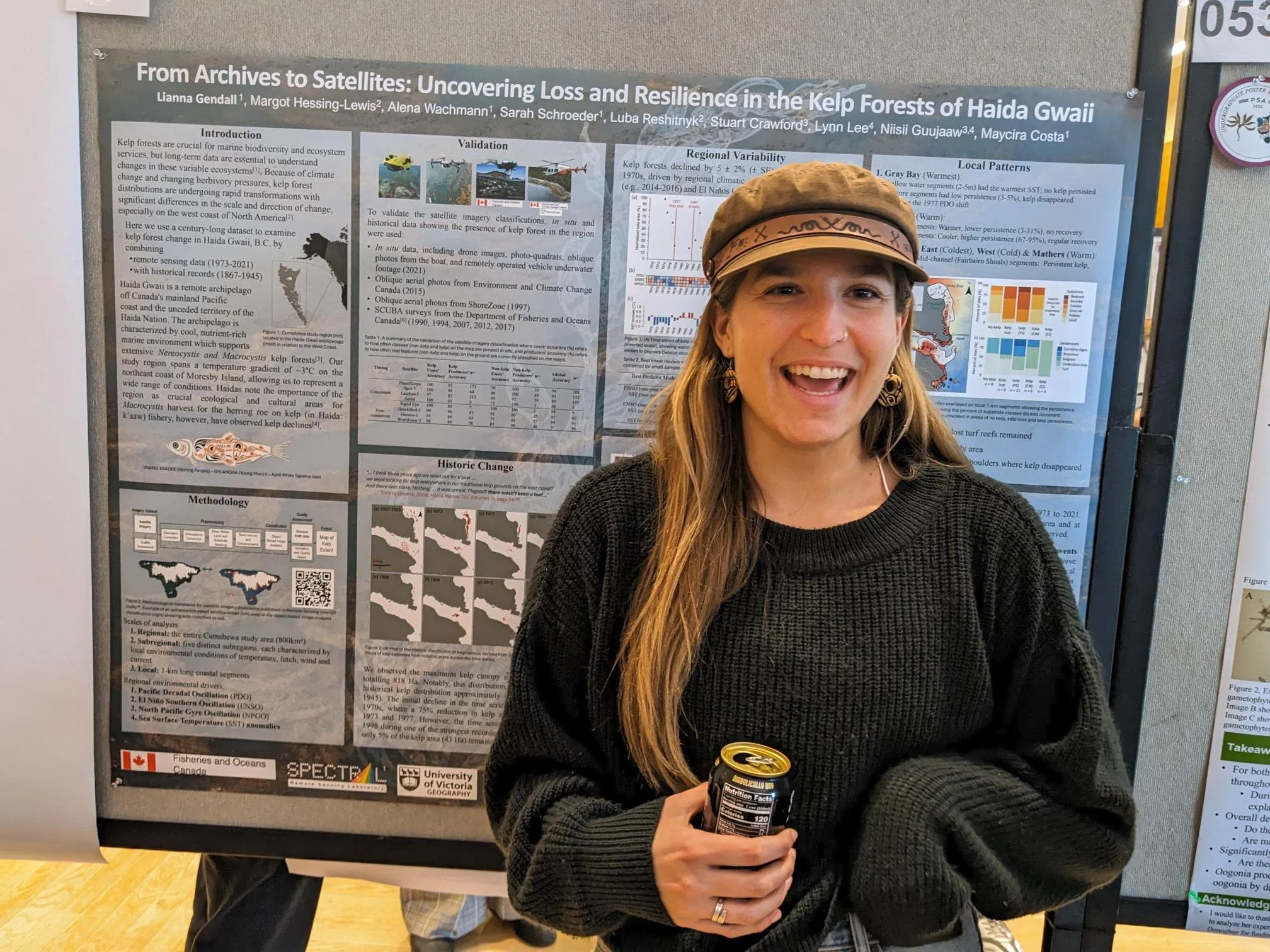
Located at the University of Victoria in the Geography department, our spectral and remote laboratory facility investigates multiple threads of research. By looking at the interaction of light energy with organic and inorganic material in ocean waters in the field and controlled lab environment, there is much we can discover. We have a collection of optical sensors including hyperspectral radiometers for continuous, above, and in-water measurements, fluorescence sensors for chlorophyll and CDOM, absorption, attenuation and backscattering hyperspectral sensors, CTDs, and a darkroom for simulating controlled environmental conditions. Current projects include accessing historical and modern records of kelp bed size and presence to study climate change; using satellite imagery to detect herring spawning; and collecting environmental data that may affect kelp growth and resilience.
Our group of researchers has expertise in oceanography, geography, biology, computer science, and environmental science. We are conducting interdisciplinary research with several international collaborators in Brazil (INPA, INPE), Canada (IOS, MEOPAR, Ocean Networks Canada, Pacific Salmon Foundation, SFU, UBC, UVic), the United States (UC-Santa Barbara), and Japan (JAXA).
Remote sensing technology is advancing at a much faster speed than our knowledge of how to interpret the spectral information it provides.








Latest news!
Dr. Maycira Costa: Appointed to the Earth System Science Advisory Committee at the Canadian Space Agency
The Canadian Space Agency has announced the appointment of Dr. Maycira Costa as a member of its Earth System Science Advisory Committee (ESSAC). In this role, Dr. Costa will contribute her expertise to providing independent, science-based advice to the Agency on its research disciplines, associated programs, and their applications.
ESSAC’s mandate is to advance understanding in the field of Earth system science, a multidisciplinary approach that views Earth as an interconnected system. This scientific framework examines the hydrosphere, cryosphere, biosphere, and geosphere, and explores their complex interactions with one another and with the atmosphere that links them.
Dr. Costa’s appointment reflects her distinguished contributions to environmental science and her commitment to advancing knowledge in support of Canada’s space-based Earth observation initiatives.
https://www.asc-csa.gc.ca/eng/sciences/committees/advisory-earth-system-terms.asp